
Ever wonder what separates a truly handcrafted piece of furniture from something just churned out? A lot of it comes down to how the wood surface is prepared — and it’s something most people never think about.
There are two traditional hand techniques that skilled furniture makers use: planing and scraping. Both are centuries old, and both make a real difference in the final product.
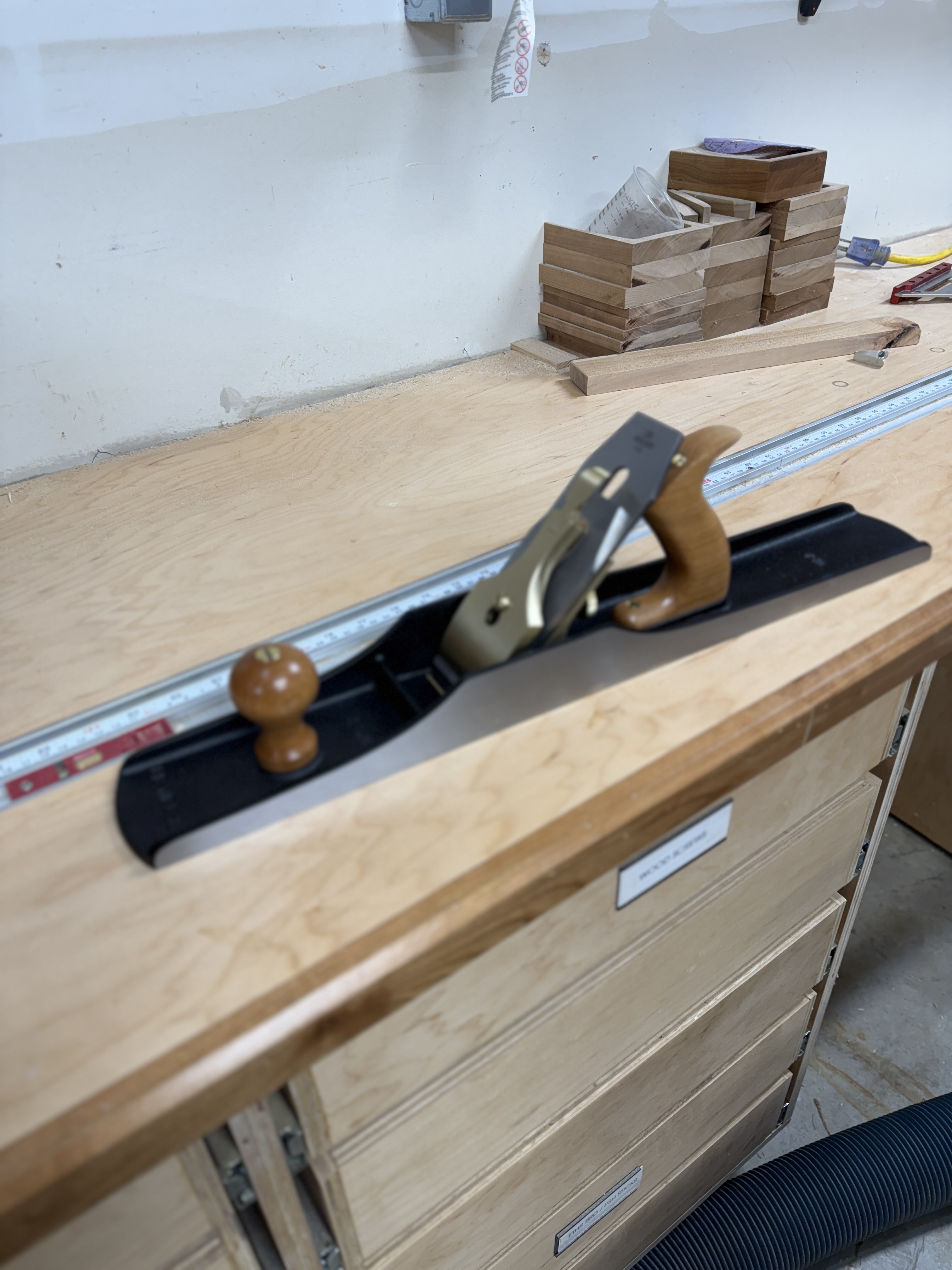
✋ PLANING uses a hand plane — essentially a precision cutting tool — to shave ultra-thin layers off the wood surface. The result is a silky smooth, flat surface with incredible clarity. The grain pops, the figure in the wood comes alive, and the finish looks deeper and richer than anything you’d get from machine sanding.
🔧 SCRAPING uses a small hardened steel card with a razor-fine edge to pare the surface with a lighter, more controlled touch. It’s the go-to technique for figured or tricky wood — pieces where the grain swirls and changes direction. Where a plane might catch and tear the wood, a scraper glides right through it.
Most furniture makers use both — planing for the main work, scraping for the problem spots and the beautiful figured pieces.
Why does this matter to you? Because sanding — the shortcut — actually tears wood fibers rather than cutting them. It dulls the natural luster and figure of the wood. Hand planing and scraping cut cleanly, which means the wood looks the way nature intended it to look.
When you commission a handcrafted piece from Cloudspin Woodworks, this is the kind of attention that goes into every surface. 🌲
Interested in a custom piece? Drop a comment or send us a message!
CloudspinWoodworks #HandcraftedFurniture #WoodworkingTips #CustomFurniture #AdirondackMade #FineWoodworking #MadeByHand #WoodIsGood #FurnitureMaker #RayBrookNY


Comments